
Myths about gambling you need to stop believing
Gambling is purely luck-based
One of the most prevalent myths about gambling is that it is entirely based on luck. While chance certainly plays a significant role in games of chance like slots and roulette, many forms of gambling require skill and strategy. For example, in poker, a player might gain an edge by understanding the nuances of games or even engaging with platforms like crypto casinos. Psychological elements and mathematical probability can tip the odds in favor of a skilled player. Understanding these aspects can dramatically impact outcomes and is essential for anyone serious about gambling.
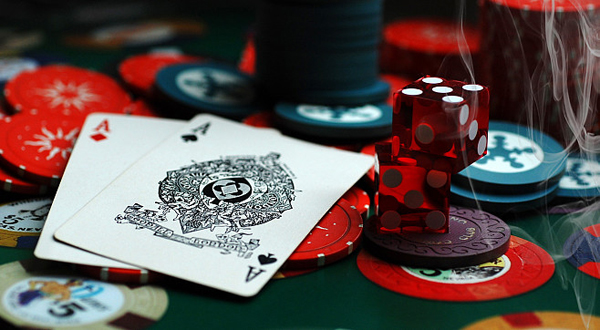
This misconception can lead to poor decision-making, as players may underestimate the importance of strategy. A skilled gambler can analyze opponents, understand the odds, and make calculated bets. By recognizing that skill is a crucial component in many forms of gambling, players can enhance their experience and potentially improve their chances of winning.
You can always beat the house
Another common myth is the belief that players can consistently beat the house. While there are strategies that can improve one’s chances, the house always has an edge in casino games. This edge is built into the game’s design, ensuring that over time, the casino will profit. Players who think they can outsmart the house on a regular basis are often setting themselves up for disappointment.
It’s essential to approach gambling with realistic expectations. Understanding that the odds are usually in favor of the house can help gamblers set appropriate limits and enjoy the games without falling into the trap of chasing losses or developing unrealistic strategies. Responsible gambling involves knowing when to walk away and recognizing that losses are a part of the experience.
Gambling addiction only affects certain people
A prevalent myth is that gambling addiction is a condition that only affects certain types of people or those with a particular background. In reality, anyone can develop a gambling problem, regardless of their socioeconomic status, age, or personality type. Gambling addiction does not discriminate, and many factors, including environmental influences and psychological conditions, can contribute to its development.
By recognizing that gambling addiction can affect anyone, it becomes easier to approach the issue with understanding and compassion. This awareness can lead to better prevention and treatment options, promoting a culture of responsible gambling. Open discussions and educational resources can empower individuals to recognize signs of addiction and seek help when needed.
Winning streaks are a sign of skill
Many gamblers believe that a winning streak is indicative of skill or a special intuition. This myth can lead to overconfidence and poor decision-making. In reality, winning streaks are often a product of random chance rather than an indication of a player’s skill level. The randomness inherent in gambling can create illusions of control that can mislead players.
Understanding that winning streaks can occur by chance can help gamblers maintain a grounded perspective. This awareness is crucial for responsible gambling practices, allowing players to make informed choices rather than relying on perceived patterns or superstitions. Recognizing the unpredictable nature of gambling can foster a healthier attitude toward playing.
Understanding gambling’s complexities
As we explore the myths surrounding gambling, it’s crucial to appreciate the nuances and complexities of this activity. Many misconceptions can lead to irresponsible behavior, unrealistic expectations, and potential financial pitfalls. By educating ourselves about the realities of gambling, we can foster a more responsible approach that prioritizes enjoyment and safety.
For those looking to delve deeper into the ethical considerations and realities of gambling, it is essential to seek out reliable information. Engaging with educational resources can empower individuals to navigate the world of gambling responsibly, promoting a healthier relationship with this popular pastime. By debunking myths, we can create a safer, more informed gambling environment for everyone.