
Understanding the psychological pull of gambling Why we risk it all
The Allure of Uncertainty
One of the most fascinating aspects of gambling is the inherent uncertainty it offers. This unpredictability taps into a fundamental human desire for excitement and novelty. For many, the thrill of not knowing the outcome creates a rush of adrenaline that makes the experience more enjoyable. This feeling can be deeply addictive, as it stimulates the brain’s reward pathways, leading individuals to chase that elusive „big win.” Understanding this psychological pull helps explain why some individuals are willing to risk their financial stability for the sake of a fleeting high. By considering various platforms, including https://danatepper.com/, players can explore the most appealing features of different gaming options.
The anticipation of a win often overshadows the reality of the odds stacked against gamblers. Cognitive biases, such as the gambler’s fallacy, can mislead players into believing that they can predict outcomes based on previous results. For instance, someone may think they are „due” for a win if they’ve had several losses in a row. This skewed reasoning keeps them engaged, further intensifying their emotional investment in the game. The more someone believes in their ability to influence an unpredictable outcome, the more they are likely to participate, often leading to increased financial risk.
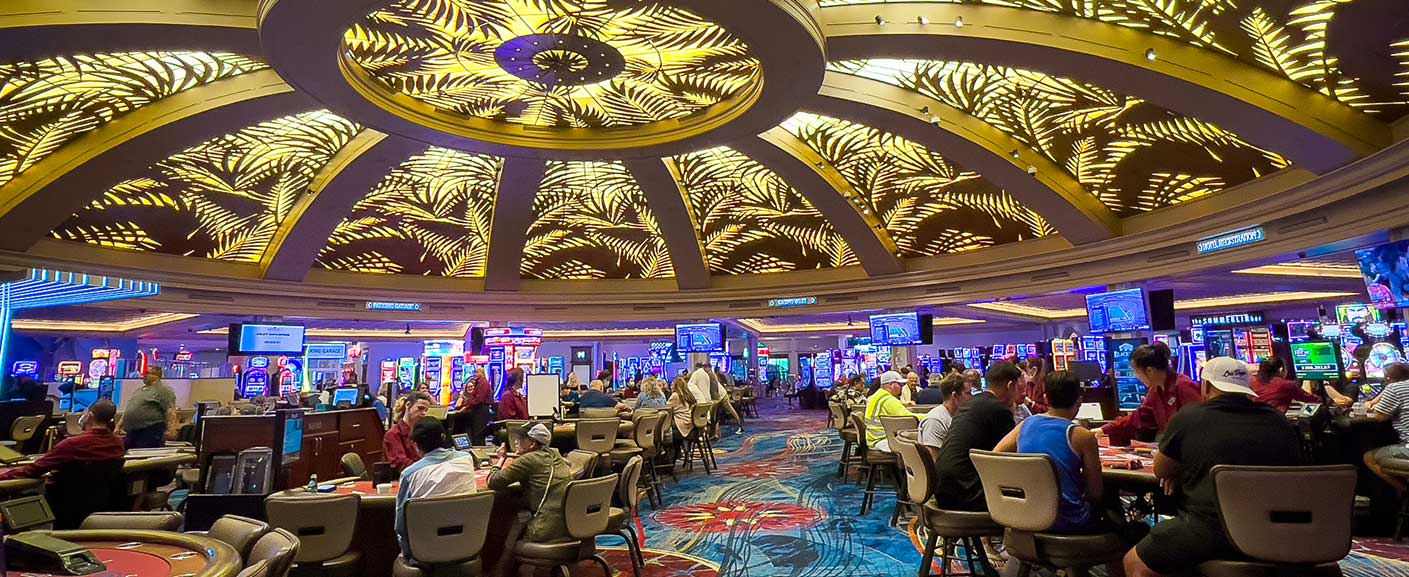
The thrill of uncertainty can also be amplified in social settings, such as casinos where the atmosphere is electric with excitement. Engaging with fellow players, sharing stories of wins and losses, and even the visual stimuli of flashing lights and sounds contribute to an overall sensory experience that entices individuals to play longer and wager more. This communal aspect of gambling not only enhances the enjoyment but can also push people to take risks they might not consider in isolation, further highlighting the psychological appeal of gambling.
The Role of Emotions
Emotions play a critical role in gambling behavior, influencing decision-making in profound ways. The excitement of winning can elicit feelings of euphoria, whereas losing can evoke frustration or despair. Many gamblers use these emotional highs and lows to justify their actions, believing that the next game might restore their losses or provide even greater winnings. This emotional rollercoaster is appealing and can create a cycle of behavior where the thrill of potential gain overshadows the reality of losses.
Moreover, emotional regulation becomes a challenge when individuals experience significant losses. People often resort to chasing their losses, a behavior that leads to even higher stakes and greater financial risk. This compulsion can be driven by the hope of recapturing the initial emotional high associated with winning. The desire to alleviate the emotional pain from losses can be so intense that individuals overlook the consequences of their actions, leading to a gambling spiral that can be difficult to escape.
In some cases, individuals may turn to gambling as a coping mechanism for stress or anxiety. When traditional methods of coping fail, the allure of gambling can seem like an appealing alternative. The act of gambling can provide an escape, albeit temporary, from everyday pressures. However, this reliance on gambling for emotional relief often exacerbates the initial issues, creating a cycle that is both damaging and difficult to break.
The Influence of Marketing and Environment
The environment in which gambling takes place significantly affects the psychological appeal. Casinos are designed to be enticing, with vibrant colors, engaging sounds, and a festive atmosphere that fosters an emotional connection. This strategic design captures the attention of potential gamblers and can trigger impulsive decision-making. The marketing strategies employed by gambling establishments further exacerbate this allure, promoting big jackpots and glamorous lifestyles that appeal to the hopes and dreams of individuals.
Additionally, the normalization of gambling in popular culture has shifted perceptions, making it seem more acceptable and desirable. Movies, television shows, and even social media frequently portray gambling in a glamorous light, often overlooking the darker aspects of addiction and financial ruin. This cultural representation can contribute to a belief that gambling is a viable means to achieve wealth and success, encouraging individuals to take risks they may otherwise avoid.
Furthermore, the advent of online gambling platforms has made access to these enticing environments even easier. The convenience and privacy of gambling from home can create an illusion of safety, leading individuals to engage more frequently. The seamless integration of gambling apps into daily life has made it more accessible, reinforcing the psychological pull through targeted advertisements and personalized promotions. This accessibility can further blur the lines between casual play and compulsive gambling.
The Impact of Social Influences
Social influences also play a significant role in shaping gambling behaviors. Peer pressure and the desire for social acceptance can drive individuals to engage in gambling activities they might not otherwise consider. For example, someone may feel compelled to join friends at a casino, believing that participation will enhance their social standing or strengthen bonds. This sense of community can make it difficult to recognize the risks associated with gambling, as the focus shifts from individual choices to collective experiences.
Moreover, social media platforms have introduced new dimensions to gambling behavior, where sharing wins and losses can become part of one’s online persona. Gamblers often portray themselves in a favorable light, highlighting successes while downplaying losses. This selective sharing can create unrealistic expectations and lead others to engage in gambling without fully understanding the potential risks involved. The portrayal of gambling as a fun and socially acceptable activity can amplify the pull, enticing more individuals to partake in riskier behaviors.
Additionally, support systems, or the lack thereof, can influence gambling behavior. Individuals without strong support networks may find themselves more susceptible to the psychological pull of gambling. Conversely, those surrounded by friends or family who recognize the dangers may be more cautious. Understanding the social dynamics surrounding gambling helps clarify why some individuals can gamble responsibly while others succumb to its allure.

Exploring Responsible Gambling and Support Resources
Understanding the psychological aspects of gambling is essential for promoting responsible gaming. Recognizing the emotional, environmental, and social influences can empower individuals to make informed choices about their gambling behaviors. Implementing strategies such as setting strict limits, taking breaks, and seeking professional help can mitigate the risks associated with gambling. Resources for responsible gaming provide valuable information and support to help individuals maintain a healthy relationship with gambling.
Awareness campaigns aimed at educating the public about the psychological pull of gambling can play a pivotal role in prevention. By informing individuals about the signs of gambling addiction and providing strategies for self-regulation, these initiatives contribute to a safer gambling environment. Additionally, engaging with support groups can foster a sense of community for those struggling, reinforcing the idea that they are not alone in their experiences.
As gambling continues to evolve, particularly with the rise of online platforms, ongoing education about its psychological impacts will be crucial. Websites dedicated to informing users about safe gambling practices offer resources that empower players to enjoy their experience without falling prey to addiction. By prioritizing responsible gaming, individuals can engage with the excitement of gambling while minimizing the risks associated with it.